
How Assisted Living Helps Prevent Falls and Protect Seniors From Fall Risks
A fall can change a senior’s life in a few seconds. A loose rug, a dim hallway, a missed dose of medication, or a quick trip to the bathroom at night can lead to injury, fear, and a loss of confidence.
For many older adults, home feels familiar and safe. In many ways, it is. Yet the same home can also hide real fall risks, especially as vision, balance, strength, reflexes, and memory change with age. The goal is not to take away independence. The goal is to make daily life safer, steadier, and less isolating.
Assisted living can help by combining a more supportive home setting with trained staff, safer routines, and faster response when something goes wrong. It does not remove every risk, and no setting can promise that. But it can reduce many of the hazards that make falls more likely and help seniors recover more safely when a fall or near-fall happens.

Why falls happen more often at home
Falls rarely happen for one single reason. They usually come from several small risks building on each other.
An older adult may feel a little dizzy after standing up. The hallway may be dark. A throw rug may slide underfoot. A pet bowl may sit near the kitchen entrance. Reading glasses might be in another room. None of these issues seems major alone. Together, they can create the perfect moment for a fall.
Common fall risks at home include:
Loose rugs, cords, and clutter in walking paths
Poor lighting in bedrooms, bathrooms, stairs, and hallways
Wet bathroom floors or tubs without grab bars
Stairs without secure handrails
Shoes or slippers without good traction
Furniture that is too low, unstable, or hard to get out of
Medications that cause dizziness, sleepiness, or changes in blood pressure
Muscle weakness, joint pain, or reduced balance
Vision problems, including low light sensitivity
Rushing to the bathroom, especially at night
Fear of falling, which can lead to less movement and more weakness
That last point matters. After a fall, many seniors move less because they are afraid it will happen again. Less movement can reduce strength and balance, which may raise the risk of another fall. A safer daily environment can help break that cycle.
The home environment can become harder to manage over time
A house that worked well at age 65 may feel different at 82. Stairs become harder. Laundry in the basement becomes a bigger task. Bathtubs with high sides become awkward. Carrying groceries from the car can feel risky.
Many families try to fix this with small changes, and those changes can help. Removing rugs, adding nightlights, installing grab bars, and using a shower chair are smart steps. Still, the home may need constant attention as needs change.
Assisted living communities are usually designed around the daily realities of aging. That design often includes:
Single-level layouts or accessible elevators
Wide hallways with handrails
Bathrooms with safety features
Good lighting in shared and private spaces
Dining rooms that reduce the need to cook alone
Staff nearby day and night
Emergency call systems within reach
These features support mobility without making the space feel clinical. The best environments feel like home, but with fewer obstacles and more backup.
How assisted living reduces everyday fall hazards
Assisted living helps prevent falls by addressing both the environment and the routine. That combination is powerful because many fall risks come from daily activities, not rare events.
Safer rooms and walking paths
In a private home, clutter can gather slowly. A basket lands near a chair. A cord crosses the floor. A rug edge curls up. Mail piles near the entryway.
In assisted living, staff can notice and correct these issues more often. They may help keep walkways clear, make sure frequently used items stay within reach, and report safety concerns before they lead to injury.
A safer room might include:
A bed at a practical height
A chair with arms for easier sitting and standing
A clear path from bed to bathroom
Non-slip flooring or secured rugs
Night lighting near the bed and bathroom
A phone or call button within reach
These details may sound small. They are the kinds of details that matter at 2 a.m. when someone wakes up and needs to move quickly.
Better bathroom safety
Bathrooms are one of the most common places for falls because surfaces are often wet, hard, and tight on space. Many older homes have tubs with high walls, slick tile, and no easy place to grip.
Assisted living bathrooms often include features that make bathing and toileting safer. These may include walk-in showers, grab bars, shower seats, raised toilet seats, and flooring with better traction.
Staff can also help when bathing becomes risky. That support protects dignity as well as safety. A senior who feels unsteady may avoid bathing at home or try to do it alone because they do not want to ask family for help. In assisted living, help with bathing can be part of a normal care routine.
Faster support after meals, activities, and appointments
Falls can happen when a senior is tired, hungry, dehydrated, or rushed. Assisted living can reduce those situations by creating a steadier rhythm to the day.
Meals are available on a schedule. Activities happen nearby. Transportation may be available for appointments. Staff can check in when someone seems unusually weak, confused, or unsteady.
This structure can make a difference for people who are still mostly independent but no longer thrive with long stretches alone.
Medication support can lower risk
Many older adults take more than one medication. Some medications can increase fall risk by causing dizziness, drowsiness, confusion, or lower blood pressure. The risk may rise when doses are missed, doubled by accident, or taken at the wrong time.
Assisted living staff do not replace doctors or pharmacists. But they can support safer medication routines, depending on the services offered and state rules.
That support may include:
Reminders to take medications on schedule
Help tracking whether a dose was taken
Observation for changes after a new medication
Communication with family or care providers when concerns appear
Coordination with pharmacies or outside clinicians
Medication review should always involve qualified healthcare professionals. Families can ask whether a community works with residents, doctors, and pharmacists to spot medications that may affect balance or alertness.
Movement and strength matter more than many people realize
A safe environment is only part of the answer. The body also needs regular movement.
When seniors become less active, they can lose strength, balance, and flexibility. That makes ordinary tasks harder, such as standing from a chair, stepping over a threshold, or turning around in the kitchen.
Assisted living communities often offer activity programs that encourage safe movement. These may include walking groups, chair exercise, stretching, balance classes, dance, gardening, or light fitness sessions.
The point is not athletic performance. The point is keeping the body ready for normal life.
Safe movement can help with:
Leg strength
Core stability
Balance reactions
Joint mobility
Confidence while walking
Endurance for daily tasks
A senior who moves regularly may feel more secure walking to meals, joining activities, or getting ready in the morning. That confidence can support independence.
Staff observation can catch small changes early
One of the biggest challenges of living alone is that changes can go unnoticed. A senior may start holding the wall more often. They may skip meals. They may seem more tired after walking. They may forget to use a walker. They may have a near-fall but not tell anyone.
In assisted living, staff see residents during daily routines. They may notice early warning signs such as:
Shuffling steps
New bruises
Increased confusion
Trouble standing from a chair
Less interest in activities
More time spent in bed
Dizziness after standing
Changes in appetite or hydration
These signs do not always mean a fall is coming. They do mean someone should pay attention. Staff can share concerns with nurses, families, or healthcare providers so the resident gets support sooner.
Early attention can lead to practical changes, such as a physical therapy referral, a medication review, a walker adjustment, better shoes, or more help with certain tasks.
Assisted living can reduce the risk of isolation
Isolation can raise fall risk in indirect ways. A person who lives alone may sit for long periods, eat poorly, skip hydration, or avoid going outside. They may also delay asking for help because they do not want to bother anyone.
Assisted living adds social contact to the day. Residents may see staff at meals, join group activities, talk with neighbors, or receive gentle reminders to stay engaged.
Social connection does not just improve mood. It can support routines that reduce fall risk:
Eating regular meals
Drinking enough fluids
Moving more often
Sleeping on a steadier schedule
Reporting symptoms sooner
Feeling less anxious about asking for help
A supportive setting can make it easier to accept help before a crisis.
What happens if a fall still occurs
Even with good prevention, falls can still happen. The response matters.
At home, a senior who falls may not be able to reach a phone. They may lie on the floor for a long time, especially if they live alone. This can increase fear and medical risk.
In assisted living, residents often have access to emergency call systems or wearable alert devices. Staff can respond, assess the situation, call emergency services if needed, notify family, and document what happened.
A good response also asks why the fall happened. Was the person dizzy? Did they trip on something? Were they rushing? Did it happen after a medication change? Did they forget a mobility aid?
That follow-up helps reduce the chance of the same type of fall happening again.
After a fall, an assisted living team may:
Check the room for hazards
Encourage medical evaluation when needed
Monitor for pain, bruising, or confusion
Help coordinate therapy or follow-up care
Review care plans and daily routines
Increase support during high-risk times, such as bathing or nighttime bathroom trips
This kind of response turns a fall into useful information, not just an accident to move past.
What families can ask when comparing assisted living communities
Not every assisted living community offers the same level of fall prevention support. Families should ask direct, practical questions.
Helpful questions include:
How do you assess fall risk when a resident moves in?
How often do you review a resident’s care plan?
What safety features are in the apartments and bathrooms?
How do residents call for help at night?
Do staff help with bathing, dressing, and transfers?
Do you offer exercise or balance-focused activities?
How do you handle medication reminders or support?
How do you communicate concerns to families?
What training do staff receive around mobility and fall prevention?
A walk-through can reveal a lot. Look at lighting, flooring, bathroom design, hallway railings, furniture height, and how staff interact with residents. Notice whether residents appear rushed or relaxed. Listen for how clearly the community explains its safety process.
Assisted living supports independence by reducing avoidable risk
Some families worry that assisted living means giving up independence. For many seniors, the opposite is true. When daily risks are lower, a person may feel more comfortable moving around, joining meals, bathing, walking outdoors, and staying active.
The right support can help a senior do more, not less.
A person may still choose their clothes, decorate their apartment, visit with family, enjoy hobbies, and make daily decisions. The difference is that help is nearby when a task becomes unsafe to do alone.
Fall prevention works best when it protects both safety and choice. A good assisted living community does not treat every resident the same. It looks at the individual’s habits, health, preferences, and abilities.
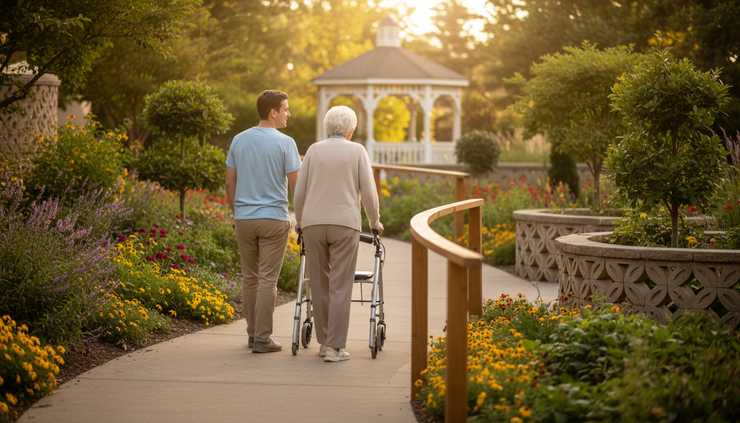
Small changes can make a safer future
Falls are not just random accidents. Many come from risks that can be seen, reduced, and managed. Better lighting, safer bathrooms, medication support, daily movement, staff observation, and quick response all play a role.
How Assisted Living Helps Prevent Falls and Protect Seniors at Home comes down to one central idea: seniors are safest when their environment, routines, and support match their needs.
For families, the next step is often a careful look at daily life. Where does a loved one feel unsteady? Which tasks cause worry? Have there been near-falls, bruises, or changes in walking? Is help available at the times when risk is highest?
Assisted living is not the answer for every person. But when home has become hard to manage alone, it can offer a safer version of home, with privacy, connection, and support close by.
**This article is for general information only and is not a substitute for medical advice. A healthcare provider can help assess fall risk, review medications, and recommend the right level of care.*


Comments